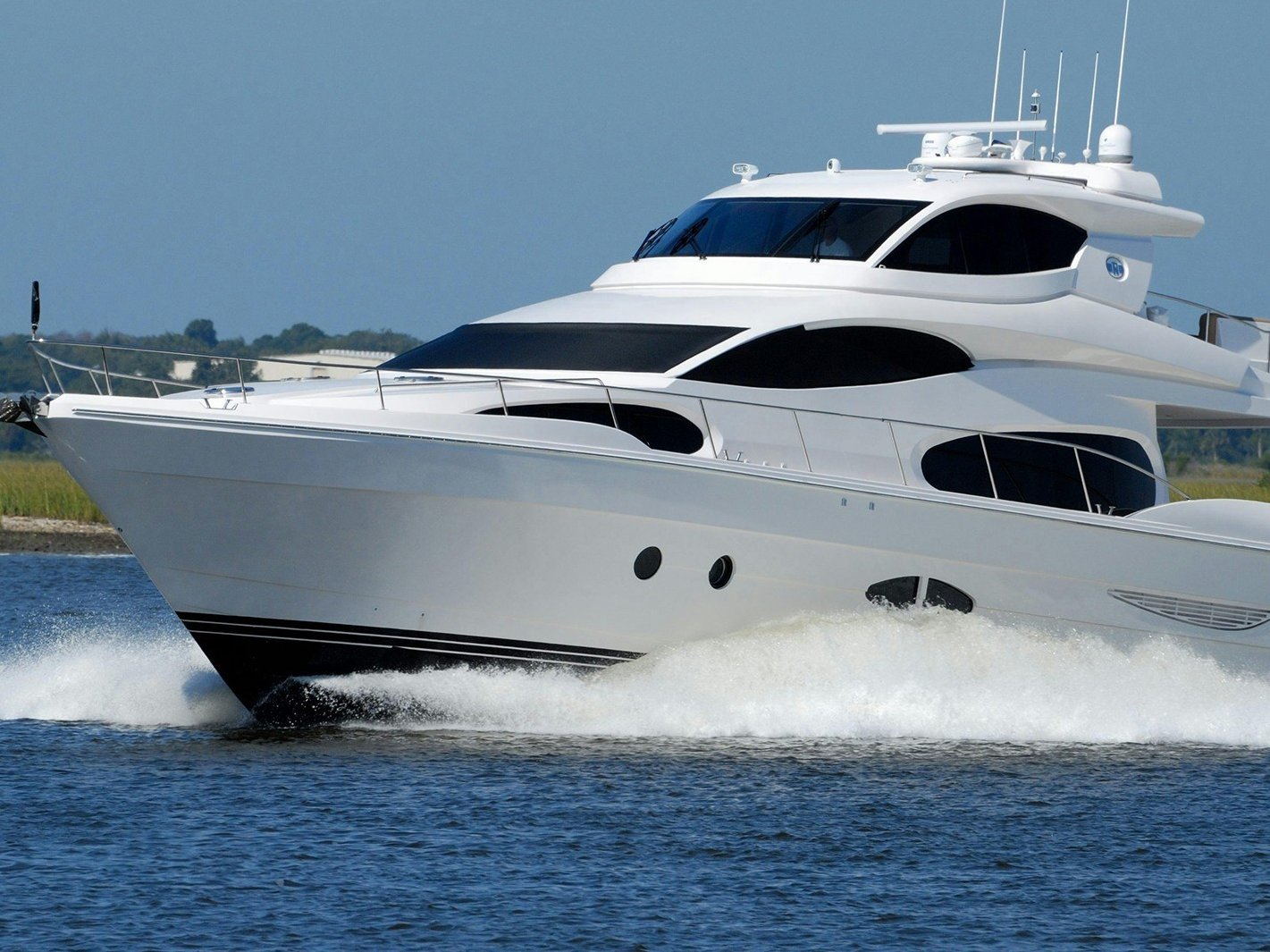
When you board a yacht, you think about the destination, the comfort, the view. But you rarely ask yourself: “Where does the water I drink come from? How is it purified? And where does the water I use in the shower go?”
Yet marine water and air quality isn’t a secondary issue. It’s a vital system. It determines the health of those living on board, the environmental impact of navigation, and the very value of your vessel.
Let’s talk about water and air management for yachts : a comprehensive approach that integrates the management of drinking water, wastewater (grey and black), and indoor air quality. A closed, delicate ecosystem, where every mistake is costly. An environment where bacteria like Legionella pneumophila can spread silently if systems are not monitored. But it also presents an opportunity: that of transforming a simple utility into a strategic advantage.
comes in And this is where marine technical consulting : experts who don’t just install filters, but design intelligent, sustainable, certified solutions. Because today, managing water and air effectively is no longer a “nice to have,” but a “must have.”
No, it’s not enough to empty the tank in the open sea (and you know it)
We often hear: “The sea is big, so a little dirty water won’t do any harm.”
False. In fact: dangerous.
The sea doesn’t absorb everything. And the regulations know this well. MARPOL Annex IV makes it clear: untreated discharges are out of the question. Grey water laden with detergents, untreated sewage, microplastics, and biofilms—these aren’t “technical details,” they’re pollution. And they can result in heavy fines, ship detention, or damage to reputation.
But there’s more: if you’re a shipowner, you can’t afford to be the “polluter.” Today’s charter clients are informed. They want to know if your yacht has a MARPOL-certified treatment system , if the air on board is monitored, if you use biodegradable detergents. And if you can’t answer “yes,” you risk losing bookings.
The era of improvisation is over.
So why do so many people still try? Is it laziness? Ignorance? Or simply because they think “it can’t be seen”?
Wrong. It shows. And you pay for it.
Stop hiding behind the engine: the real power is under the covers.
You have a 1,500-horsepower engine? Great. But if the water in the kitchen smells bad, if the shower gets dirty, if the crew has to work with outdated equipment, those horsepower won’t save you.
The real innovation today isn’t in navigation data, but in internal circuits. Let’s be clear: a multi-stage filtration system with UV sterilization isn’t an extra. It’s a necessity. A compact mini purifier on board isn’t just for cargo ships; it’s the future of superyachts. And an intelligent monitoring system , with real-time dashboards for consumption, levels, and quality, isn’t a gadget: it’s the brains of your yacht.
And do you know what’s best? They work. Stress-free. Without constant maintenance. You just need to choose them carefully. And have them installed by those who truly know what they’re doing: a dedicated marine technical consulting team who know IMO regulations, RINA, Lloyd’s Register, and DNV certifications, and who will guide you from design to maintenance.
Think it’s expensive? Try calculating the cost of a fine. A port hold. A guest getting sick. A rental lost because it “didn’t meet sustainability requirements.”
The benefits? You can’t see them, but you feel them every day.
system A functioning water and air management for yachts isn’t newsworthy. And that’s the beauty of it. Because when it works, it goes unnoticed.
And that’s exactly what you want: no odors, no clogs, no alarms. Just clean water, healthy air, peace of mind.
For you, the owner , it means value. Your yacht is worth more, sells better, and rents more easily.
For the commander and crew , it means operability: fewer breakdowns, less stress, more control.
For guests , it’s total comfort: knowing that the water is safe, that the air doesn’t give you a headache, that every gesture is in harmony with the environment.
And for the sea ? Well, you’re a breath of fresh air for the sea. Every treated liter, every compliant discharge, every eco-friendly choice is a step toward responsible nautical tourism. And it’s not poetry: it’s science.
Sustainability is not a fad: it’s the only possible path
“We don’t sail to escape the sea, but to respect it.”
An old nautical saying, but never so true.
Thinking that sustainable water and air management on board is a passing fad is like believing the sky is green. Times have changed. The world is more attentive. And the sea, silent, is no longer forgiving.
Today, more than ever, the best choice isn’t between “cheap” and “expensive,” but between “short term” and “long term.” Investing in marine water and air quality isn’t an expense: it’s protection. For your investment, for your image, for the planet.
And if you’re still wondering, “Is it worth it?”, the answer is yes. Always.
Because true luxury isn’t the biggest saloon or the fastest tender.
It’s knowing that every detail—even the invisible ones—is under control.
May you sail with respect.
That you are part of the change, not the problem.
So, are you ready to set sail into a new era?